ROPA in GDPR: Who Actually Needs It and How Does It Solve Compliance Challenges?


Introduction
Every organization handling personal information in Europe faces strict accountability requirements under the General Data Protection Regulation. Among these obligations, maintaining a Record of Processing Activities commonly known as ROPA which stands as one of the most fundamental yet frequently misunderstood compliance requirements.
If you're collecting customer emails, processing employee payroll, or storing client contact details, you're already deep in GDPR territory. The regulation doesn't just ask organizations to protect data; it demands they document exactly how they're doing it. That's where ROPA comes in. This systematic record serves as your organization's complete inventory of data processing activities, mapping out what information you collect, why you need it, where it goes, and how you protect it.
Organizations without proper ROPA documentation face potential fines reaching €10 million or 2% of global annual turnover for recordkeeping violations alone. More importantly, the absence of a comprehensive ROPA often signals deeper compliance issues that can trigger additional penalties of up to €20 million or 4% of worldwide revenue.
But ROPA entails understanding your data ecosystem, managing risks effectively, and building trust with customers who increasingly care about how their information is handled. Whether you're a startup founder, compliance officer, or business owner trying to navigate GDPR requirements, understanding who needs ROPA and why can transform how you approach data protection, turning a regulatory obligation into a strategic advantage that strengthens your entire operation.
What is ROPA?
ROPA stands for Record of Processing Activities. It's essentially a detailed inventory or register that documents how your organization collects, uses, stores, and shares personal data. Think of it as a comprehensive map of your data processing landscape; a living document that provides transparency into your data handling practices.
Under Articles 30(1) and 30(2) of the General Data Protection Regulation, organizations must maintain written records of their processing activities. This isn't just bureaucratic red tape; it's a fundamental accountability measure designed to ensure organizations understand exactly what they're doing with personal data and why.
A ROPA typically includes critical information such as:
- The purposes of data processing
- Categories of data subjects (customers, employees, suppliers)
- Types of personal data being processed
- Categories of recipients with whom data is shared
- International data transfers
- Retention periods for different data categories
- Security measures protecting the data
The document serves multiple purposes: it helps organizations demonstrate GDPR compliance, assists with data protection impact assessments, supports responses to data subject requests, and provides valuable insight during privacy audits or investigations by supervisory authorities.
Who Needs ROPA?
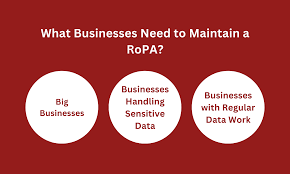
Organizations Required to Maintain a ROPA:
Data Controllers: Any organization that determines the purposes and means of processing personal data must maintain a ROPA. This includes businesses of all sizes, from tech startups to established enterprises, that collect customer information, manage employee data, or handle any form of personal information.
Data Processors: Companies that process personal data on behalf of other organizations such as cloud service providers, payroll companies, marketing agencies, or IT support firms must also maintain their own ROPA documenting the processing activities they perform for their clients.
Organizations with 250+ Employees: All organizations employing 250 or more people are automatically required to maintain comprehensive ROPAs, regardless of the nature or frequency of their data processing activities.
Organizations Processing Sensitive Data: Even smaller organizations must maintain a ROPA if they process special categories of data (such as health information, biometric data, or information about criminal convictions) or if their processing activities pose risks to individuals' rights and freedoms.
The Small Business Exception:
Here's where it gets interesting. Organizations with fewer than 250 employees may be exempt from ROPA requirements, but only if all of the following conditions are met:
- The processing is occasional (not regular or systematic)
- The processing doesn't pose risks to individuals' rights and freedoms
- The processing doesn't include special categories of data or criminal conviction data
In reality, this exemption is quite narrow. Most businesses process personal data regularly; whether it's maintaining customer databases, processing employee information, or running email marketing campaigns. Even a small café with 10 employees that maintains a customer loyalty program or processes employee payroll information would likely need a ROPA.
Why is a ROPA Needed?
The requirement for maintaining a ROPA serves several critical functions in the data protection ecosystem.
Legal Compliance and Avoiding Penalties:
First and foremost, maintaining a ROPA is a legal obligation under GDPR. Failure to maintain adequate records can result in administrative fines of up to €10 million or 2% of global annual turnover, whichever is higher. Beyond monetary penalties, non-compliance can damage your reputation, erode customer trust, and result in legal actions from affected individuals.
Demonstrating Accountability:
GDPR operates on a principle of accountability, which means organizations must not only comply with data protection rules but also be able to demonstrate their compliance. A well-maintained ROPA provides concrete evidence that your organization takes data protection seriously and has implemented appropriate measures to protect personal information.
Supporting Data Subject Rights:
When individuals exercise their GDPR rights such as requesting access to their data, asking for corrections, or demanding deletion, your ROPA becomes an invaluable tool. It allows you to quickly identify where personal data is stored, how it's being used, and with whom it's been shared, enabling you to respond to requests within the required 30-day timeframe.
Facilitating Risk Management:
Creating and maintaining a ROPA forces organizations to conduct a thorough analysis of their data processing activities. This process often reveals risks, redundancies, or unnecessary data collection practices that might otherwise go unnoticed. It's not uncommon for organizations to discover they're holding personal data they no longer need or processing information without a clear legal basis.
Enhancing Operational Efficiency:
Beyond compliance, a comprehensive ROPA can improve business operations. By mapping data flows and processing activities, organizations gain visibility into their information ecosystem. This clarity can lead to streamlined processes, better data governance, reduced storage costs, and more effective data management strategies.
Preparing for Audits and Investigations:
When supervisory authorities conduct inspections or investigations, one of the first documents they'll request is your ROPA. Having a well-organized, up-to-date record demonstrates professionalism and preparedness, potentially shortening audit timelines and reducing scrutiny.
Strategic Benefits of ROPA
While maintaining a ROPA is mandatory for most organizations, viewing it merely as a compliance checkbox misses the broader value it provides. A well-implemented ROPA system delivers tangible benefits across your organization.
Enhanced Data Visibility and Control:
A ROPA provides a bird's-eye view of your entire data processing landscape. You'll know exactly what data you're collecting, where it's stored, who has access to it, and how long you're keeping it. This comprehensive visibility is essential for making informed decisions about data management and security investments.
Improved Data Security Posture:
The process of creating a ROPA naturally leads to better data security. As you document processing activities, you're forced to evaluate existing security measures and identify gaps. This might reveal departments storing sensitive information on unsecured servers, employees using unauthorized cloud services, or third-party processors lacking adequate safeguards.
Streamlined Privacy Impact Assessments:
When launching new products, services, or processing activities, GDPR may require you to conduct a Data Protection Impact Assessment. Your ROPA serves as the foundation for these assessments, providing baseline information about existing processing activities and helping you identify when new activities might pose additional risks.
Faster Incident Response:
In the unfortunate event of a data breach, every minute counts. A well-maintained ROPA allows you to quickly determine what data was affected, how many individuals might be impacted, and whether notification to supervisory authorities is required. This rapid response capability can significantly reduce breach-related damages and regulatory scrutiny.
Better Vendor Management:
Your ROPA should include information about data processors and third parties who handle personal data on your behalf. This documentation helps you maintain oversight of your vendor ecosystem, ensuring that contracts include appropriate data protection clauses and that processors meet their obligations.
Competitive Advantage:
In an era where consumers are increasingly privacy-conscious, demonstrating robust data protection practices can be a market differentiator. Organizations that can confidently show prospects and customers how their data will be protected backed by comprehensive documentation, often win business over competitors with weaker privacy credentials.
Cost Savings:
While implementing a ROPA system requires initial investment, it often reveals inefficiencies and unnecessary data storage that drive up costs. Organizations frequently discover they're paying for redundant systems, storing data they no longer need, or maintaining expensive contracts with processors whose services could be consolidated or eliminated.
Reduced Legal Risk:
Beyond GDPR fines, comprehensive data processing records can protect your organization in civil litigation. If individuals claim their data was mishandled, your ROPA can demonstrate that you had appropriate processes and safeguards in place, potentially limiting liability.
Key Requirements of ROPA
Creating an effective ROPA requires careful consideration of what information to include and how to maintain it over time. GDPR provides specific guidance on the minimum content requirements for both controllers and processors.
For Data Controllers, a ROPA Must Include:
Name and Contact Details: Your organization's name and contact information, along with details for your data protection officer (if you have one) and any representatives in the EU if you're based outside the region.
Processing Purposes: A clear explanation of why you're processing personal data. This might include purposes like fulfilling contracts, marketing, fraud prevention, or legal compliance. Each purpose should be specific rather than generic.
Data Subject Categories: Identify the groups of individuals whose data you process. Categories might include customers, website visitors, employees, job applicants, suppliers, or business contacts.
Personal Data Categories: Specify the types of information you collect for each category of data subjects. This could include basic contact details, financial information, employment records, or behavioral data from website analytics.
Recipient Categories: List who receives personal data from your organization. This includes internal departments, external service providers, business partners, regulatory authorities, or any other parties who access the data.
International Transfers: Document any transfers of personal data to countries outside the European Economic Area, including details about the safeguards you've implemented (such as Standard Contractual Clauses or adequacy decisions).
Retention Periods: Specify how long you keep different categories of personal data, or outline the criteria you use to determine retention periods. This helps ensure you're not keeping data longer than necessary.
Security Measures: Provide a general description of the technical and organizational security measures protecting personal data. This might include encryption, access controls, employee training, or incident response procedures.
For Data Processors, a ROPA Must Include:
Processors have slightly different documentation requirements, focusing on their role in processing data on behalf of controllers:
- Name and contact details of the processor and each controller on whose behalf they're processing
- Categories of processing carried out for each controller
- Details of international transfers and safeguards
- General description of security measures
Best Practices for ROPA Implementation:
Use Clear, Plain Language: Avoid technical jargon or legal terminology that might obscure the actual processing activities. Your ROPA should be understandable to non-specialists.
Maintain Granularity: While you don't need to document every minor processing activity separately, your ROPA should be detailed enough to provide meaningful insight. Finding the right level of granularity, not too broad, not excessively detailed is key.
Keep It Current: A ROPA is a living document that should be reviewed and updated regularly. Establish a review schedule (at least annually) and ensure it's updated whenever processing activities change significantly.
Assign Responsibility: Designate specific individuals or teams responsible for maintaining different sections of your ROPA. This distributed ownership model ensures subject matter experts provide accurate information.
Integrate with Other Processes: Your ROPA shouldn't exist in isolation. Integrate ROPA updates into project planning, vendor onboarding, system implementation, and other business processes that might involve new data processing activities.
Leverage Technology: While a spreadsheet might work for very small organizations, dedicated ROPA management software can significantly streamline the process for larger organizations, offering features like automated reminders, version control, and integration with other compliance tools.
FAQs
Q: Do I need separate ROPAs for different departments or business units?
A: You can maintain a single comprehensive ROPA covering your entire organization or create separate ROPAs for different departments or business units. The key is ensuring complete coverage of all processing activities. Many organizations use a modular approach, with individual departments documenting their activities that then roll up into a master ROPA.
Q: How often should I update my ROPA?
A: Your ROPA should be updated whenever there are material changes to your processing activities—such as launching new products, engaging new processors, or changing retention policies. Even without changes, conduct a comprehensive review at least annually to ensure accuracy and completeness.
Q: Can I use a template for my ROPA?
A: Yes, templates can be helpful starting points. The Information Commissioner's Office and other supervisory authorities provide ROPA templates. However, remember that your ROPA must accurately reflect your specific processing activities, so templates should be customized rather than simply filled out mechanically.
Q: Does my ROPA need to be public?
A: No, ROPAs are internal documents. However, you must make them available to supervisory authorities upon request. Data subjects don't have a right to access your ROPA directly, but the information in it should inform your privacy notices and help you respond to subject access requests.
Q: What's the difference between a ROPA and a privacy policy?
A: A ROPA is an internal accountability document detailing all your processing activities, while a privacy policy (or privacy notice) is a public-facing document that informs individuals about how their specific data is processed. Your ROPA should contain more comprehensive information and cover all processing activities, whereas privacy policies focus on what's relevant to the specific audience.
Q: Do I need a ROPA if I'm only processing my employees' data?
A: Yes, if you don't qualify for the small business exemption. Employee data processing typically happens regularly and involves significant personal information, meaning most employers need to document these activities in their ROPA.
Q: What happens if supervisory authorities find my ROPA inadequate?
A: Consequences vary based on the severity of the deficiency. Minor issues might result in corrective orders requiring you to update your ROPA within a specified timeframe. More serious failures, especially those indicating broader compliance problems can result in administrative fines and ongoing monitoring.
Q: Should my ROPA include processing activities that I've stopped?
A: Your ROPA should focus on current processing activities. However, maintaining historical versions of your ROPA can be valuable for demonstrating compliance during specific time periods, particularly if questions arise about past practices or data breaches.
Conclusion
In the complex landscape of data protection regulation, a ROPA serves as both a legal requirement and a strategic asset. While maintaining comprehensive records of processing activities might seem like an administrative burden, organizations that embrace ROPA as a core component of their privacy program reap significant benefits beyond mere compliance.
The reality is that data privacy regulations are only becoming more stringent worldwide. GDPR has inspired similar legislation across dozens of jurisdictions, from California's CCPA to Brazil's LGPD and beyond. Organizations that have already built robust ROPA systems find themselves well-positioned to adapt to these evolving requirements, while those treating it as a checkbox exercise often struggle with each new regulatory development.
Your ROPA is ultimately about accountability and transparency demonstrating that your organization respects individuals' privacy rights and takes its data stewardship responsibilities seriously. It's about knowing your data, understanding your risks, and being able to prove you're doing things right.
Whether you're just starting your GDPR compliance journey or looking to enhance existing privacy programs, investing time and resources in a comprehensive ROPA system is one of the smartest decisions you can make. The organizations that view data protection as a competitive advantage rather than a compliance burden are the ones that will thrive in our increasingly privacy-conscious world.
Contact Regulance today to schedule a consultation and discover how our solutions can transform your approach to data protection. Your data protection journey starts here. Let Regulance be your trusted partner in GDPR compliance.