Advanced Threat Protection: How to Defend Against Sophisticated Cyber Threats In 2026

Introduction
Cybersecurity threats have transformed dramatically over the past decade. What once consisted of simple viruses and spam emails has evolved into sophisticated, coordinated attacks that can bypass traditional security measures with frightening ease. Organizations worldwide are discovering that their standard antivirus software and firewalls once considered adequate protection are now struggling to defend against modern cyber threats.
Cyberattacks are increasing in both frequency and sophistication, with businesses of all sizes falling victim to data breaches, ransomware, and advanced persistent threats. The average cost of a data breach now exceeds millions of dollars when accounting for downtime, remediation, legal fees, and reputational damage. Meanwhile, hackers are employing artificial intelligence, zero-day exploits, and social engineering techniques that can remain undetected for months.
This is where advanced threat protection becomes critical. Advanced threat protection, commonly known as ATP, represents the next generation of cybersecurity defense systems. Unlike traditional security tools that rely on recognizing known threats, ATP solutions use behavioral analysis, machine learning, and real-time threat intelligence to identify and neutralize both known and emerging dangers before they can compromise your systems.
In this guide, we'll walk you through everything you need to know about advanced threat protection. From understanding how ATP works to implementing effective protection strategies, you'll gain the knowledge necessary to defend your organization against today's most dangerous cyber threats.
What is ATP?
Advanced threat protection (ATP) is a comprehensive category of security solutions designed to defend against sophisticated malware and cyberattacks that traditional antivirus software and firewalls often miss. Unlike basic security tools that rely on signature-based detection, ATP employs multiple layers of protection to identify, prevent, and respond to complex threats in real-time.
Think of traditional antivirus software as a bouncer at a club checking IDs against a list of known troublemakers. ATP, on the other hand, is like an entire security team that not only checks IDs but also monitors behavior, analyzes patterns, watches for suspicious activities, and can even predict potential threats before they materialize.
Key Characteristics of Advanced Threat Protection:
ATP solutions are distinguished by several critical features that set them apart from conventional security measures. First and foremost, they employ behavioral analysis rather than relying solely on known threat signatures. This means ATP systems can identify suspicious activities and anomalies that indicate potential attacks, even if the specific threat has never been encountered before.
Real-time threat intelligence is another cornerstone of ATP. These systems constantly communicate with global threat databases and security networks, receiving updates about emerging threats as they're discovered worldwide. This collective intelligence approach ensures that when a new attack vector is identified anywhere in the world, ATP solutions can immediately protect against it.
The multi-vector protection offered by ATP is particularly crucial in today's environment. Modern cyberattacks rarely come from a single direction. Instead, they combine email phishing, malicious downloads, compromised websites, and network intrusions in coordinated campaigns. ATP addresses all these vectors simultaneously, creating a cohesive defense strategy.
Why Traditional Security Isn't Enough:
The cybersecurity landscape has fundamentally changed over the past decade. Traditional antivirus programs were designed for a simpler time when most threats were mass-distributed viruses with recognizable signatures. Today's attackers use zero-day exploits, vulnerabilities that are unknown to software vendors and security researchers. They employ polymorphic malware that constantly changes its code to evade detection. They leverage social engineering to trick users into bypassing security measures altogether.
Advanced persistent threats (APTs) represent another challenge that traditional security simply cannot handle. These are prolonged, targeted attacks where intruders establish a presence in a network and remain undetected for months or even years, slowly extracting valuable data. APTs require the sophisticated detection and response capabilities that only advanced threat protection can provide.
How Does ATP Work?
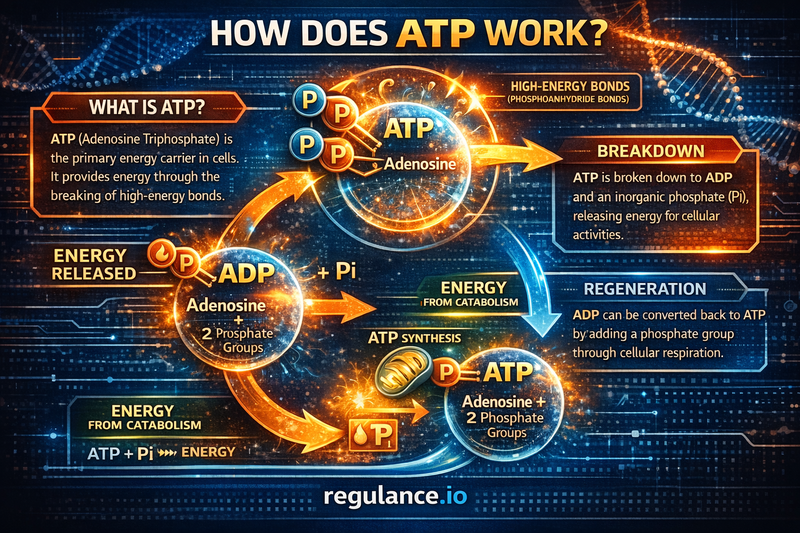
Understanding how advanced threat protection operates requires looking at its multi-layered approach to security. ATP doesn't rely on a single technology or technique but instead orchestrates multiple defensive strategies simultaneously.
Sandboxing and Behavioral Analysis:
One of ATP's most powerful techniques is sandboxing. When a suspicious file or link is detected, the ATP system doesn't immediately allow it into your network. Instead, it opens the file in an isolated virtual environment, a "sandbox" where it can observe what happens without risking your actual systems.
In this controlled space, the ATP solution watches how the file behaves. Does it attempt to modify system files? Does it try to communicate with external servers? Does it encrypt documents or attempt to disable security software? All these behaviors are monitored and analyzed. If the file exhibits malicious characteristics, it's blocked before it ever reaches your network. If it appears safe, it's allowed through. This process happens in seconds, creating minimal disruption to workflow while providing maximum protection.
Machine Learning and Artificial Intelligence:
Modern ATP solutions leverage machine learning algorithms that continuously improve their threat detection capabilities. These systems analyze millions of files, network patterns, and user behaviors to establish what "normal" looks like for your organization. Once this baseline is established, the AI can quickly identify anomalies that might indicate a security threat.
The machine learning component is particularly effective against zero-day threats. Even though the system has never seen this specific attack before, it recognizes that the patterns and behaviors don't match legitimate software. It's like teaching a child to recognize danger—they might not have encountered that specific dangerous situation before, but they've learned enough about general warning signs to identify it as a threat.
Threat Intelligence Integration:
ATP systems don't work in isolation. They're connected to vast networks of threat intelligence that aggregate data from security incidents worldwide. When a new threat is identified in Tokyo, London, or New York, ATP systems around the globe are immediately updated to defend against it.
This collective intelligence approach transforms cybersecurity from a reactive to a proactive endeavor. Rather than waiting for an attack to occur and then developing defenses, ATP solutions anticipate threats based on global patterns and emerging attack methodologies.
Email Security and URL Filtering:
Email remains the primary vector for cyberattacks, with phishing campaigns growing increasingly sophisticated. ATP solutions scrutinize every email, examining not just the sender and subject line, but the content, attachments, and embedded links. They check URLs against databases of known malicious sites, analyze email headers for signs of spoofing, and evaluate the reputation of the sender's domain.
When a user clicks on a link in an email, ATP performs real-time analysis before loading the page. If the destination appears suspicious or has been recently created (a common indicator of phishing sites), the ATP system blocks access and alerts the user to the potential danger.
Endpoint Protection:
Your organization's endpoints laptops, desktops, mobile devices, and servers are where attacks ultimately aim to cause damage. ATP provides comprehensive endpoint protection that goes far beyond traditional antivirus scanning. It monitors process execution, network connections, file system changes, and registry modifications in real-time.
If an endpoint begins exhibiting suspicious behavior, such as attempting to encrypt large numbers of files, which could indicate ransomware; the ATP system can automatically isolate that device from the network, preventing the threat from spreading while alerting security teams to the incident.
Network Traffic Analysis:
ATP solutions continuously monitor network traffic for unusual patterns. Is a workstation suddenly uploading gigabytes of data to an unfamiliar external server? Is a device communicating with IP addresses associated with command-and-control servers used by cybercriminals? These anomalies trigger immediate investigation and response.
By analyzing the flow of data across your network, ATP can identify lateral movement when an attacker who has compromised one system attempts to spread to others and stop the threat before it escalates.
Common ATP Solutions and Technologies
The advanced threat protection landscape includes various specialized solutions, each addressing specific aspects of comprehensive security. Understanding these categories helps organizations build layered defenses appropriate to their needs.
Email Security Gateways:
Email security ATP solutions specialize in protecting against email-borne threats. These platforms examine every incoming and outgoing message, scanning for malware, phishing attempts, business email compromise schemes, and spam. They employ sophisticated content analysis, attachment sandboxing, and link protection to ensure that malicious emails never reach user inboxes.
Microsoft Defender for Office 365, formerly known as Office 365 ATP, exemplifies this category. It provides safe attachments that open files in isolated environments, safe links that rewrite URLs to check destinations before users access them, and anti-phishing intelligence that identifies impersonation attempts and credential harvesting campaigns.
Network Security Platforms:
Network-focused ATP solutions examine traffic at the gateway level, identifying threats before they penetrate deeper into organizational infrastructure. Next-generation firewalls with ATP capabilities combine traditional firewall functions with intrusion prevention systems, deep packet inspection, and application awareness.
These platforms can detect command-and-control communications, data exfiltration attempts, and lateral movement across the network. They provide visibility into encrypted traffic, an increasingly important capability as more malware hides within encrypted channels that traditional security tools cannot inspect.
Endpoint Detection and Response (EDR):
EDR solutions represent the evolution of endpoint security, providing continuous monitoring and response capabilities for workstations, servers, and mobile devices. Unlike traditional antivirus that simply blocks known threats, EDR platforms record endpoint activities, detect suspicious behaviors, and enable rapid investigation and remediation of security incidents.
Products like CrowdStrike Falcon, Carbon Black, and Microsoft Defender for Endpoint offer behavioral protection, threat hunting capabilities, and automated response actions. When a threat is detected, these solutions can isolate infected endpoints, kill malicious processes, and quarantine dangerous files all without requiring manual intervention.
Cloud Access Security Brokers (CASB):
As organizations increasingly rely on cloud services, CASB solutions have become essential components of advanced threat protection strategies. These platforms sit between users and cloud applications, providing visibility into cloud usage, data security, threat protection, and compliance management.
CASBs protect against threats targeting cloud environments, such as compromised accounts, insider threats, and malware spreading through cloud file sharing. They can enforce security policies consistently across multiple cloud platforms and prevent sensitive data from being inappropriately shared or stored in unsecured locations.
Security Information and Event Management (SIEM):
SIEM platforms aggregate and analyze security data from across the entire IT environment, providing centralized visibility into threats and enabling coordinated response efforts. While not ATP solutions themselves, SIEM systems integrate with ATP technologies to provide comprehensive threat detection and investigation capabilities.
Modern SIEM solutions incorporate machine learning to identify complex attack patterns that might not be apparent when examining individual security events in isolation. They correlate data from firewalls, endpoints, applications, and user activities to construct complete pictures of security incidents.
Integrated Extended Detection and Response (XDR):
XDR represents the latest evolution in advanced threat protection, providing unified security incident detection and response across multiple security layers. Rather than managing separate email security, endpoint protection, and network security tools, XDR platforms integrate these functions into a cohesive system with centralized visibility and automated response capabilities.
This integration enables more effective threat hunting, as security analysts can follow attack paths across different vectors without switching between multiple consoles or manually correlating disparate data sources.
How to Protect Against Advanced Threats
Implementing effective advanced threat protection requires a strategic, multi-faceted approach that combines technology, processes, and people. Here's a comprehensive framework for building robust defenses against sophisticated cyber threats.
Deploy Layered Security Architecture:
The foundation of effective threat protection is defense in depth, multiple layers of security controls that create redundant protections. If one layer fails or is bypassed, others remain in place to prevent or detect the intrusion.
Start with perimeter security including next-generation firewalls with ATP capabilities. Add email security gateways to filter threats before they reach user inboxes. Implement comprehensive endpoint protection on all devices. Deploy network segmentation to limit lateral movement if an attacker gains access. Finally, add cloud security solutions to protect data and applications hosted outside your traditional network perimeter.
This layered approach ensures that attackers must overcome multiple independent security controls, significantly increasing the difficulty and resources required for successful attacks.
Implement Zero Trust Architecture:
The zero trust security model operates on the principle of "never trust, always verify." Rather than assuming that users and devices inside the network perimeter are trustworthy, zero trust requires continuous authentication and authorization for every access request.
Under zero trust, users are granted minimum necessary access to resources, and their activities are continuously monitored for anomalies. If a user account is compromised, the attacker's ability to move laterally or access sensitive data is severely constrained. This approach is particularly effective against advanced persistent threats that rely on establishing footholds and gradually expanding access over time.
Establish Robust Email Security Practices:
Given that email remains the primary attack vector, strengthening email security is critical. Beyond deploying ATP email security gateways, implement DMARC, SPF, and DKIM protocols to prevent email spoofing and verify sender authenticity.
Train users to recognize phishing attempts through regular security awareness training. Implement policies requiring verification of unusual requests, especially those involving financial transactions or sensitive data. Consider implementing email banners that alert users when messages originate from outside the organization or when senders cannot be verified.
Prioritize Patch Management:
Many successful attacks exploit known vulnerabilities for which patches are available but haven't been applied. Establish a rigorous patch management program that identifies, tests, and deploys security updates promptly.
Prioritize patching based on the criticality of systems and the severity of vulnerabilities. For critical vulnerabilities being actively exploited in the wild, deploy emergency patches immediately. For less critical updates, maintain a regular patching schedule that balances security needs with operational stability.
Enable Multi-Factor Authentication (MFA):
Compromised credentials represent one of the most common initial access methods for attackers. Implementing MFA across all systems especially for remote access, email, cloud applications, and administrative accounts dramatically reduces the risk of unauthorized access.
Modern MFA solutions go beyond simple text message codes, offering authentication apps, biometric verification, and hardware security keys that provide stronger protection against sophisticated phishing and credential theft attacks.
Conduct Regular Security Assessments:
Periodic security assessments, including vulnerability scanning, penetration testing, and security audits, identify weaknesses in your defenses before attackers can exploit them. These assessments should cover all aspects of your infrastructure, from network configurations to application security to cloud environments.
Engage third-party security firms to conduct assessments, as they bring fresh perspectives and specialized expertise that internal teams might lack. Address identified vulnerabilities promptly based on their severity and the criticality of affected systems.
Develop Incident Response Capabilities:
Even with robust prevention measures, some sophisticated attacks may succeed. Having a well-defined incident response plan ensures your organization can quickly detect, contain, and recover from security incidents.
Your incident response plan should define roles and responsibilities, establish communication protocols, outline containment and eradication procedures, and specify recovery processes. Conduct regular tabletop exercises to test the plan and ensure all team members understand their responsibilities during an actual incident.
Implement Data Backup and Recovery:
Comprehensive, tested backup systems provide critical insurance against ransomware and destructive attacks. Implement the 3-2-1 backup rule: maintain three copies of data, on two different media types, with one copy stored offsite or in the cloud.
Critically, ensure that backups are isolated from production networks and cannot be encrypted or deleted by attackers who compromise primary systems. Regularly test restoration procedures to verify that backups are functional and recovery objectives can be met.
Establish Threat Intelligence Programs:
Subscribe to threat intelligence feeds relevant to your industry and technology stack. Understanding the tactics, techniques, and procedures used by threat actors targeting similar organizations enables proactive defense adjustments.
Participate in information sharing communities where organizations exchange threat intelligence and security best practices. Many industries have specialized Information Sharing and Analysis Centers (ISACs) that facilitate this collaboration.
Invest in Security Awareness Training:
Technology alone cannot prevent all attacks. Users represent both your greatest vulnerability and your most valuable security asset. Comprehensive, ongoing security awareness training educates employees about current threats, recognition techniques, and appropriate response procedures.
Effective training goes beyond annual compliance modules. Implement regular simulated phishing campaigns to test awareness and provide immediate feedback when users click suspicious links. Create a security-conscious culture where reporting potential threats is encouraged and rewarded rather than resulting in blame.
Monitor and Audit Continuously:
Advanced threat protection is not a set-and-forget solution. Implement continuous security monitoring that provides real-time visibility into your environment. Establish a Security Operations Center (SOC) or engage a managed security service provider to provide 24/7 monitoring and response capabilities.
Regular security audits verify that controls remain effective, configurations align with best practices, and the overall security posture continues to meet organizational requirements as threats and business needs evolve.
FAQs
What's the difference between advanced threat protection and antivirus software?
Traditional antivirus software primarily uses signature-based detection to identify known malware. It's like having a wanted poster of criminals the antivirus recognizes threats it has seen before. Advanced threat protection, however, uses behavioral analysis, machine learning, and multiple detection techniques to identify both known and unknown threats. ATP can recognize malicious activities even when the specific malware has never been encountered before, making it far more effective against modern, sophisticated attacks like zero-day exploits and advanced persistent threats.
How much does advanced threat protection cost?
ATP costs vary significantly based on organization size, solution scope, and deployment model. Small businesses might spend several thousand dollars annually for cloud-based ATP services, while large enterprises could invest hundreds of thousands or even millions for comprehensive, multi-layered protection. Many vendors offer subscription-based pricing per user or per device, typically ranging from $5 to $50+ per user monthly depending on the features included. While this represents a significant investment, it's substantially less than the average cost of a data breach, which can exceed millions of dollars when accounting for remediation, legal fees, regulatory fines, and reputational damage.
Can ATP prevent all cyberattacks?
No security solution can guarantee 100% protection against all attacks. Cybersecurity is fundamentally a cat-and-mouse game where attackers constantly develop new techniques to bypass defenses. However, advanced threat protection significantly reduces your risk by detecting and blocking the vast majority of threats, dramatically increasing the difficulty and cost for attackers. The goal of ATP is not perfect invulnerability but rather making your organization a sufficiently difficult target that attackers move on to easier victims. Combined with good security practices, ATP provides highly effective protection against most real-world threats.
Do small businesses need advanced threat protection?
Absolutely. Small and medium-sized businesses are increasingly targeted by cybercriminals precisely because they often have weaker security than large enterprises while still possessing valuable data and financial resources. Research indicates that over 40% of cyberattacks target small businesses, and many of these organizations lack the resources to recover from significant security incidents. Fortunately, cloud-based ATP solutions have made enterprise-grade protection accessible and affordable for smaller organizations. Investing in ATP is essential for business survival in today's threat landscape.
How does ATP handle encrypted traffic?
Modern ATP solutions include SSL/TLS inspection capabilities that decrypt, inspect, and re-encrypt traffic in real-time. This process is transparent to users while allowing security systems to examine the actual content for threats. Some ATP solutions also use metadata analysis to identify suspicious encrypted traffic patterns without decrypting the content, though this approach is generally less comprehensive. Organizations implementing SSL inspection must carefully manage certificates and ensure compliance with privacy regulations, particularly when handling sensitive employee or customer data.
What is the difference between ATP and EDR?
Advanced threat protection is a broad category encompassing multiple security technologies aimed at detecting and preventing sophisticated attacks across various vectors: email, network, endpoints, and cloud. Endpoint Detection and Response (EDR) is a specific type of ATP solution focused exclusively on endpoint devices like workstations and servers. EDR provides deep visibility into endpoint activities, threat hunting capabilities, and incident response tools. Many comprehensive security strategies deploy EDR as the endpoint component within a broader ATP framework that also includes email security, network protection, and other layers.
How long does it take to implement advanced threat protection?
Implementation timeframes vary based on solution complexity, organization size, and existing infrastructure. Cloud-based email security ATP can often be deployed within days, primarily involving DNS configuration changes and user setup. Comprehensive enterprise-wide ATP deployments encompassing network, endpoint, and cloud security might require several months for proper planning, configuration, integration with existing systems, user training, and gradual rollout. Most organizations adopt a phased approach, prioritizing the most critical systems first and expanding coverage over time. Working with experienced implementation partners can significantly streamline the process and ensure optimal configuration.
Conclusion
Advanced threat protection has evolved from a luxury for large enterprises to an essential component of cybersecurity for organizations of all sizes. The sophisticated, multi-layered nature of modern cyber threats demands equally sophisticated, comprehensive defenses that traditional security tools simply cannot provide.
The journey to robust security begins with understanding that advanced threat protection is not a single product but rather a strategic approach combining multiple technologies, processes, and practices. From behavioral analysis and sandboxing to threat intelligence integration and automated response, ATP provides the depth of protection necessary to defend against today's advanced persistent threats, zero-day exploits, and targeted attacks.
Implementation requires commitment of resources, attention, and organizational focus. Yet this investment pales in comparison to the potential costs of inadequate security: data breaches, ransomware incidents, regulatory penalties, legal liabilities, and irreparable reputational damage. In an era where a single security incident can threaten organizational survival, comprehensive advanced threat protection is foundational to business continuity.
As threats continue evolving, so too must our defenses. The integration of artificial intelligence, the adoption of zero trust architectures, and the emergence of extended detection and response platforms represent the continuing evolution of advanced threat protection. Organizations that stay current with these developments while maintaining foundational security practices position themselves to not just survive but thrive in an increasingly digital and threat-laden landscape.
Remember that technology alone cannot ensure security. The human element through security awareness, vigilant practices, and a culture that prioritizes protection remains irreplaceable. Combining advanced threat protection technologies with educated, security-conscious users creates the comprehensive defense posture necessary for today's challenges.
Secure Your Digital Future with Regulance. Contact Regulance today to schedule a comprehensive security consultation and take the first step toward truly advanced threat protection.